
Guide to Mid Century Modern Interior Design: Ideas & Tips
Key Takeaways
Mid-century modern interior design is making a bold comeback in 2025 with sustainable updates.
The classic retro interior design now features eco-friendly materials and technological functionality.
Timeless mid-century furniture like the Eames lounge chair and Tulip table are being reinvented for the modern age.
Vintage home style continues to inspire interior trends, blending effortlessly with contemporary aesthetics.
The style’s balance of form, function, and flair cements its place in today’s most timeless design trends
What Is Mid-Century Modern Interior Design?
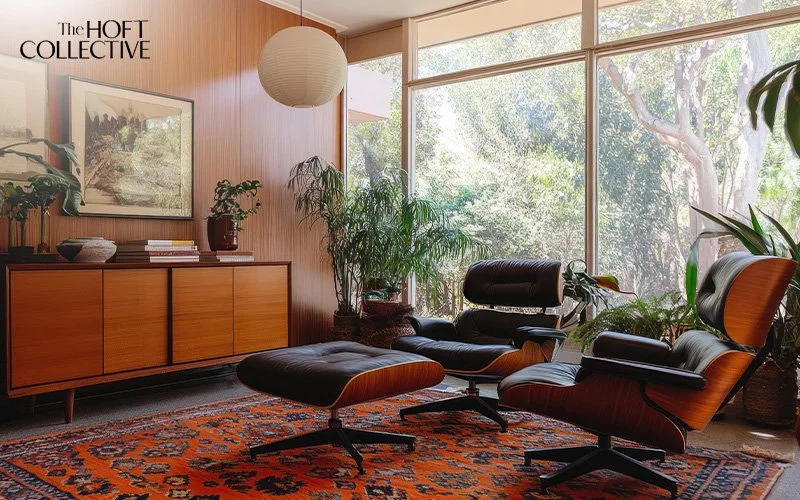
Mid-century modern interior design refers to a design movement from the 1940s to 1960s that emphasises simplicity, functionality, and clean, well-balanced forms. Defined by sleek lines, organic shapes, and a connection between indoor and outdoor spaces, it favours natural materials like wood and leather alongside a restrained use of colour. The result is an interior that feels open, purposeful, and timeless, where every element has a clear role without unnecessary decoration.
A Brief History
Emerging in the post-war era, mid-century modern design grew from a post-war appetite for innovation and liveable beauty. Pioneers like Charles and Ray Eames, Eero Saarinen, Arne Jacobsen, and Florence Knoll championed accessible forms, honest materials, and a human-centred approach. This is where the design style found its voice, streamlined, optimistic, and designed for real life, setting the tone for the way we furnish our homes today.
Key Elements of Mid-Century Modern Interior Design
At its core, mid-century modern interior design balances clarity with comfort, bringing together thoughtful proportions, natural materials, and spaces that feel easy to live in. These defining elements continue to shape interiors that feel both timeless and relevant:
• Clean, purposeful lines — Furniture and architectural details feature streamlined silhouettes with well-considered proportions, allowing each piece to feel intentional without appearing rigid.
• A balance of organic and geometric forms — Gentle curves are paired with structured angles, creating a subtle visual rhythm that keeps spaces engaging yet composed.
• Honest use of materials — Natural wood, leather, and stone are often combined with materials like steel or moulded plywood, highlighting both warmth and innovation in a single space.
• Seamless indoor–outdoor connection — Larger openings, natural light, and material continuity help blur the boundaries between interior and exterior environments.
• Grounded colour palettes with refined accents — Neutral bases are complemented by muted yet distinctive tones such as olive, mustard, terracotta, or deep blue, adding depth without overwhelming the space.
• Function-led design thinking — Storage solutions, modular furniture, and multi-purpose pieces are integrated to support daily living while maintaining visual clarity.
• Visual lightness in furniture — Raised legs, open bases, and slimmer profiles allow rooms to feel more spacious and less visually dense.
• Thoughtful spatial planning — Layouts prioritise flow and usability, ensuring each area feels connected while still serving a distinct purpose.
• Subtle layering over decoration — Texture, material contrast, and proportion take precedence over excessive styling, resulting in interiors that feel calm rather than crowded.
How to Style a Mid Century Modern Interior?
To bring mid-century modern interior design home, start with one standout piece, then layer with restraint. A sculptural lounge chair, a walnut credenza, or a tulip-base table anchors the scheme; everything else supports the story. Keep surfaces clear, let timber grains and textiles do the talking, and mix tactile contrasts, like linen with leather, or brass with glass. Natural light is part of the palette, so give it room to breathe. The goal is a space that feels warm, usable, and unmistakably yours.
Colour Palette
The colour story of mid-century modern home interior design is one of contrast and warmth. Think warm woods and grounded neutals, including oak, teak, cream, and soft grey, punctuated by confident accents like saffron, olive, rust, or deep teal. Use colour economically: a statement sofa, a pair of cushions, a feature lamp. The palette should steady the room first, then spark interest in measured beats.
Clean Lines and Geometric Shapes
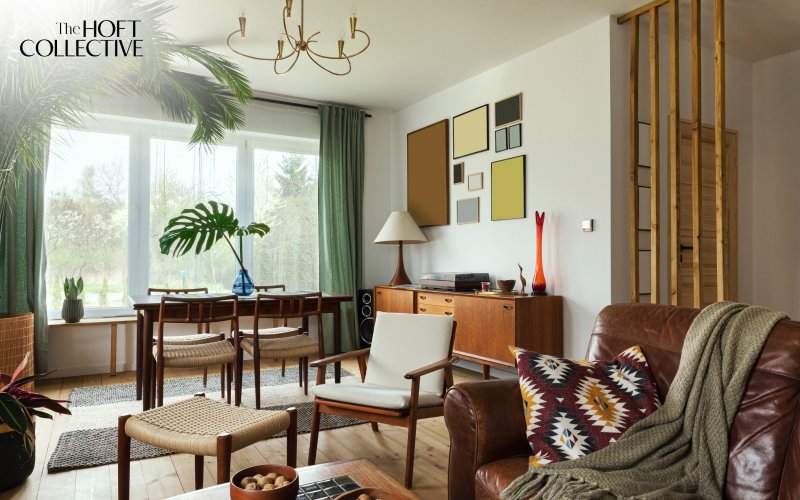
In the 21st century, the signature sharp angles and refined shapes of mid-century modern interior design remain a central feature. However, what’s changing is the material palette. Think carbon fibre, recycled plastics, and low-VOC finishes replacing traditional resources. Iconic silhouettes, like the tapered legs of a vintage credenza, are being constructed with earth-friendly elements that prioritise longevity and sustainability. The result? A classic design reborn with a conscience.
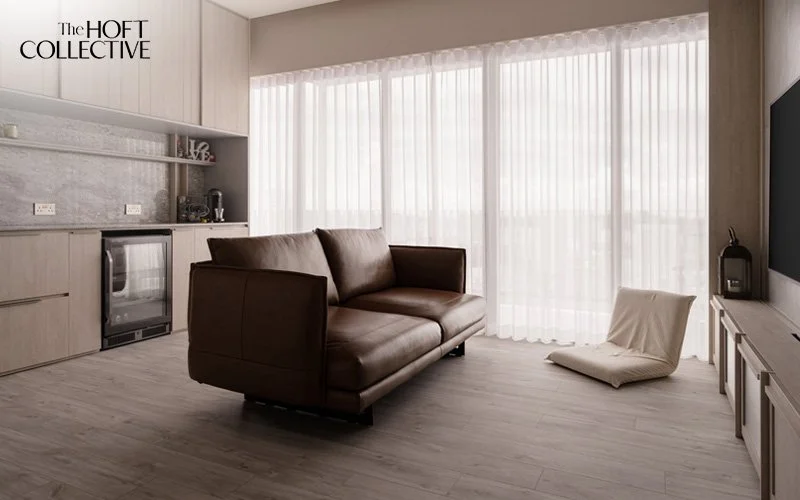
This updated approach also aligns with the principles of minimalist interior design, where every element serves a purpose and clutter is eliminated. The mid-century look now leans into simplicity and smart choices, proving that less really can be more.
Lighting Ideas
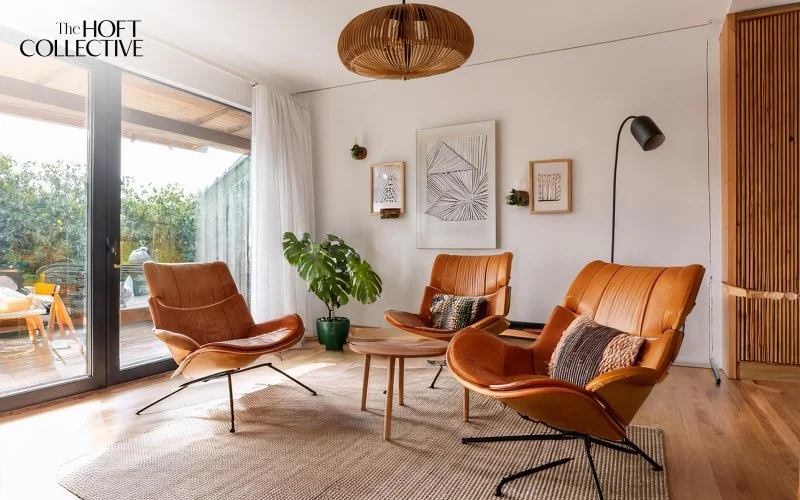
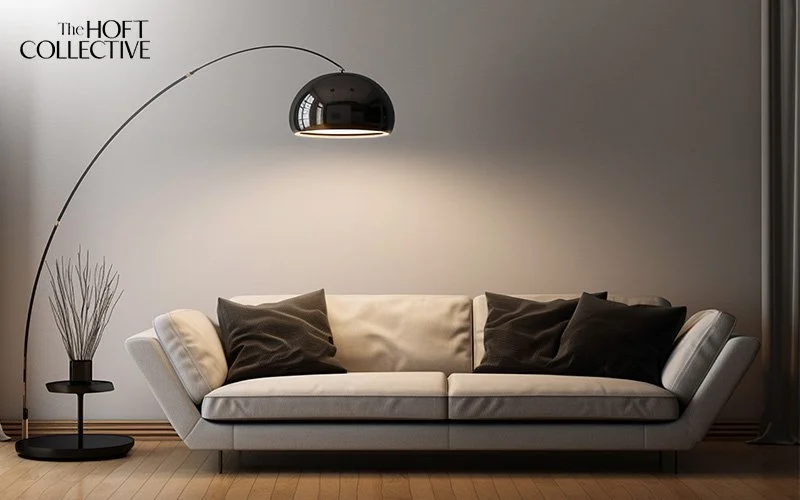
In mid-century modern home interior design, lighting is both sculpture and utility. Sputnik chandeliers, globe pendants, and arc floor lamps create gentle pools of light while adding form. Choose warm bulbs to flatter timber tones, use opal glass for diffusion, and layer task with ambient lighting so the room shifts easily from work to wind-down.
Natural and Man-Made Materials
One of the most exciting aspects of today’s mid-century modern interior design is its bold reinterpretation of classic pieces. The beloved Eames lounge chair, for instance, is now available in vibrant upholstery colours and eco-conscious materials. Similarly, natural wood finishes are being enhanced with contemporary stains that maintain the vintage home style feel while appealing to modern preferences.
These refreshed pieces don’t just look good, they feel relevant. They nod respectfully to the past while embracing the aesthetics and values of the 21st century. It’s retro, but redefined.
Design lovers are also mixing styles to create personalised interiors. Pairing mid-century furniture with elements of Scandinavian interior design, like light woods and neutral tones, adds warmth and texture. This blend of aesthetics creates a home that feels both curated and comfortable.

Functional Art for the Modern Home + Minimalism
Functionality has always been a cornerstone of this popular retro interior design, but now it’s evolving into something smarter. Recently, we see home decor that’s as intelligent as it is beautiful. Picture a stunning arc floor lamp that also acts as a wireless charger. Or a sleek walnut coffee table with built-in storage and touch-sensitive lighting.
These innovations not only enhance the practicality of a space but also elevate its aesthetic value. It’s functional art that complements the growing demand for multi-purpose furniture in modern homes.
This direction also aligns closely with minimalism, where form follows function and clutter-free environments are prioritised. Every piece serves a purpose, offering clean lines, thoughtful design, and effortless integration into everyday living.
This approach also mirrors trends within other styles of interior design, where tech integration is becoming standard in everyday living.
Blending with Other Interior Styles
Mid-century modern interior design plays well with others. Pair clean-lined furniture with the quiet textures and time-worn finishes of wabi sabi interior design for a calm, grounded feel. Or lean into softness with light woods and airy neutrals from Scandinavian interior design. These hybrids keep the look contemporary while preserving the movement’s honesty and ease.
Mid-Century Modern Interior Design Ideas for Every Room
Designing a home around mid-century modern interior design is not about applying a single look across all spaces, but about adapting its principles to suit how each room is used. From open, social living areas to more private, restful corners, the style evolves through material choices, furniture forms, and layout decisions. The following ideas explore how mid-century modern elements can be interpreted across different rooms while maintaining a cohesive and balanced home.
Mid-Century Modern Living Room Design Ideas
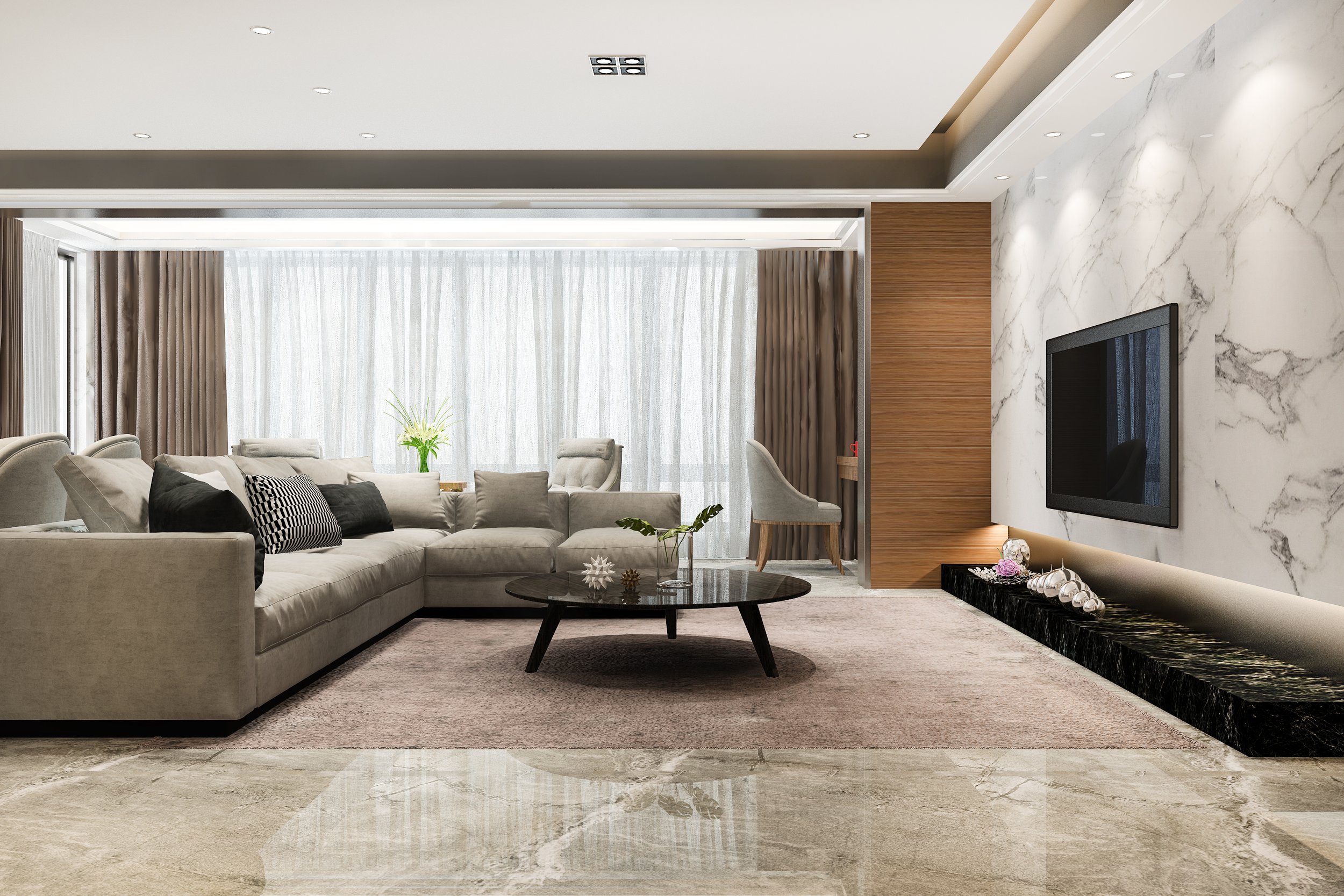
The living room is often where mid-century modern interior design is most expressive, bringing together clean-lined furniture, warm wood tones, and a sense of openness. Low-profile sofas, tapered-leg chairs, and simple coffee tables help create a grounded yet airy feel. Thoughtful spacing and visual lightness allow the room to feel inviting without becoming cluttered, while accent pieces such as lighting or artwork introduce subtle personality.
Mid-Century Modern Kitchen Design Ideas
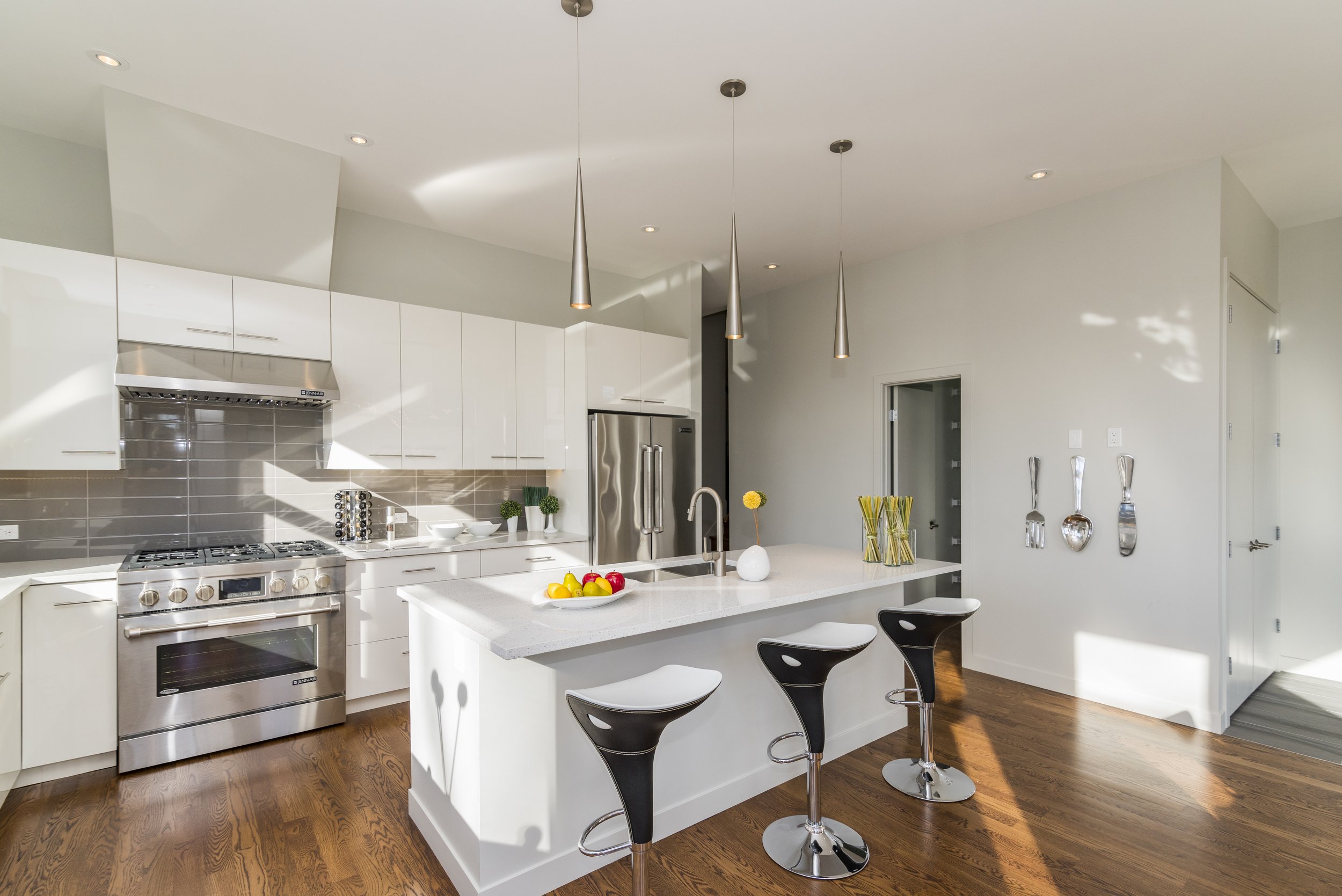
In the kitchen, mid-century modern interior design leans towards functionality paired with material warmth. Flat-panel cabinetry, integrated storage, and uncluttered surfaces keep the space efficient and easy to navigate. Natural wood finishes or muted tones can be balanced with sleek hardware and simple lighting, creating a kitchen that feels both practical and visually cohesive.
Mid-Century Modern Bedroom Design Ideas
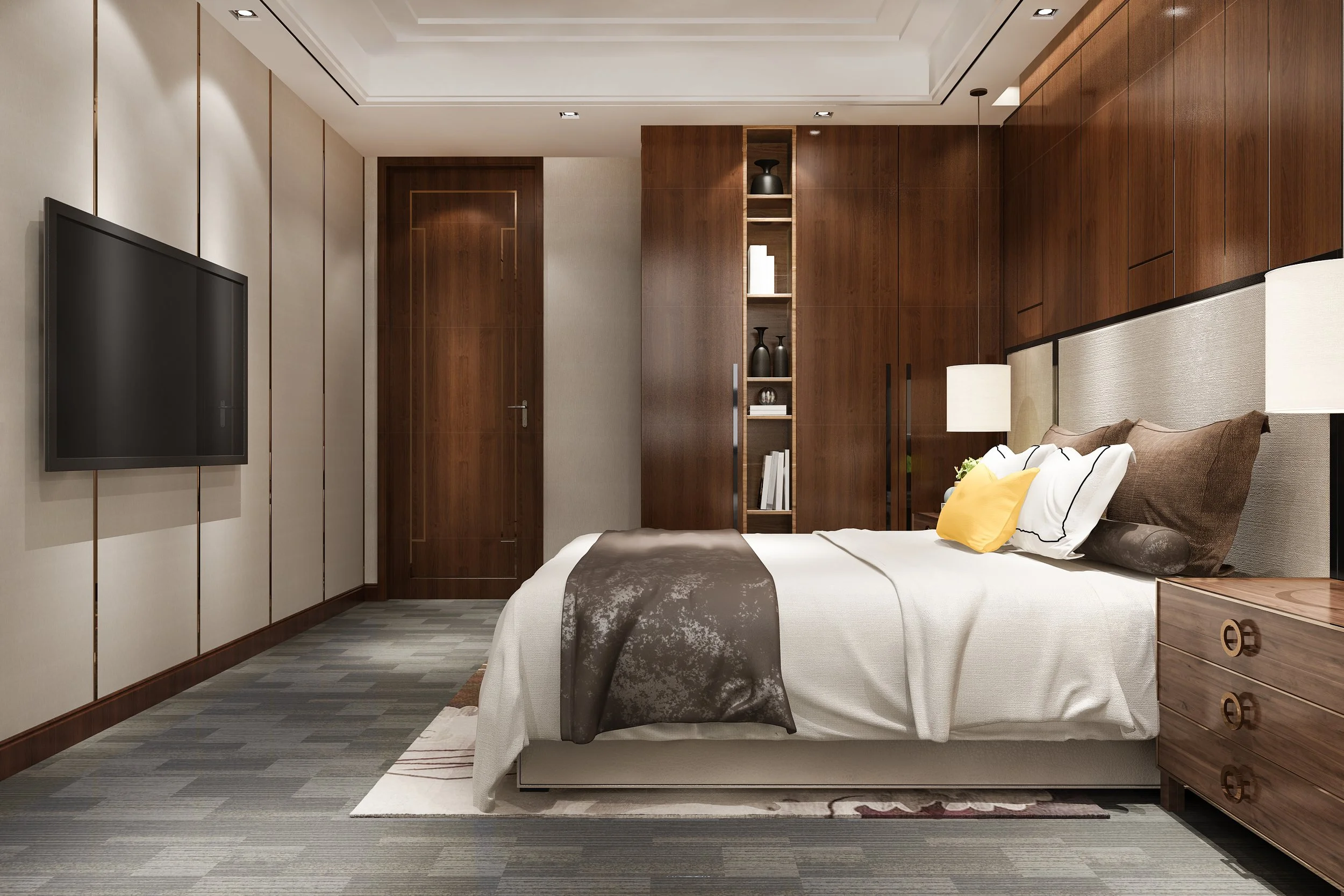
Bedrooms designed with mid-century modern interior design focus on comfort through simplicity. Platform beds, clean silhouettes, and restrained colour palettes create a restful environment that supports relaxation. Textural elements such as soft fabrics, timber finishes, and subtle lighting help add warmth without overwhelming the space, allowing the room to feel calm and well-considered.
Mid-Century Modern Bathroom Design Ideas
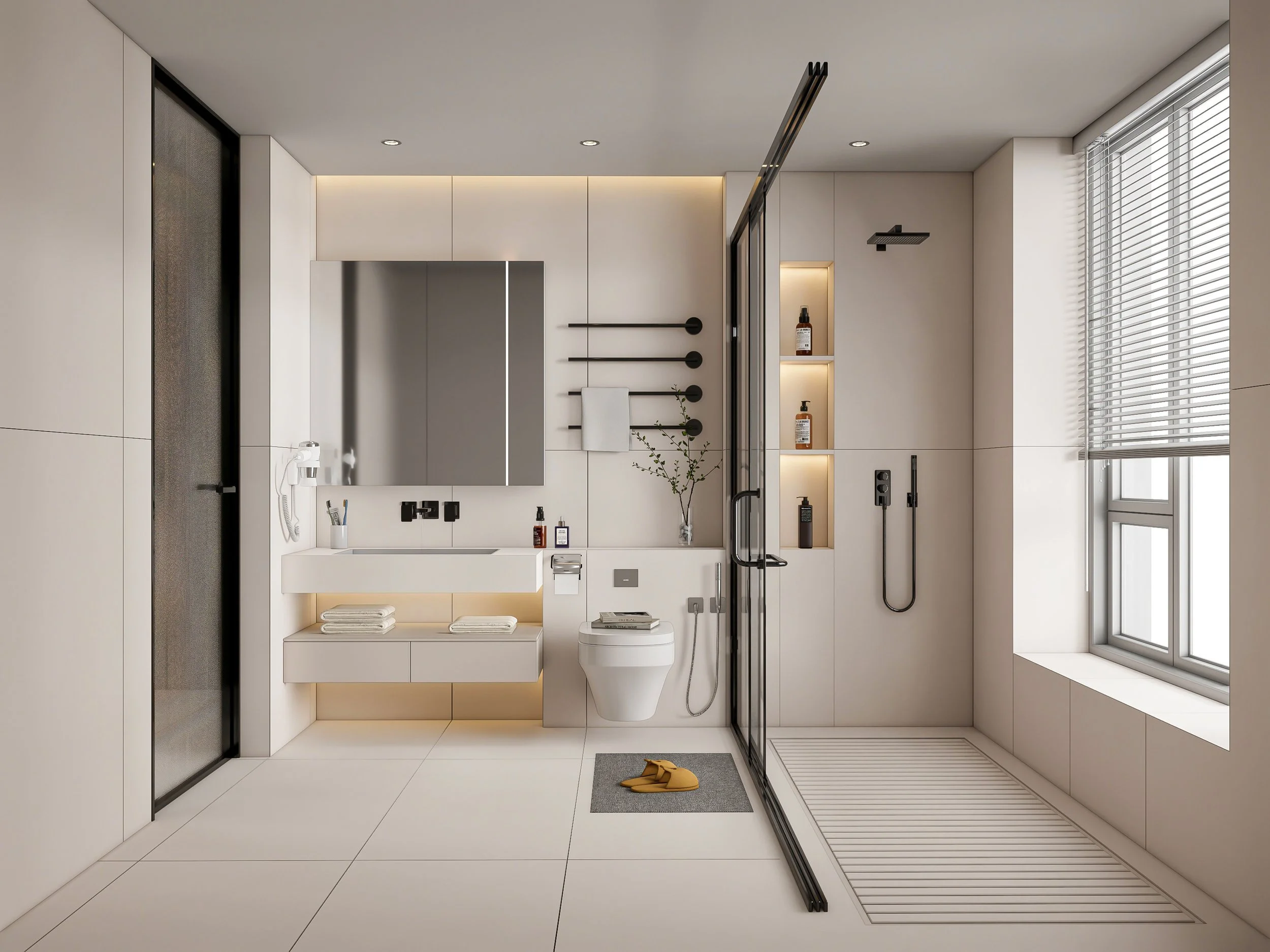
Bathrooms benefit from the clarity and restraint of mid-century modern interior design, where clean lines and material contrast take centre stage. Simple vanities, understated fixtures, and natural finishes help maintain a sense of order and calm. The use of texture, whether through tiles, stone, or wood accents, introduces depth while keeping the overall look refined and uncluttered.
Looking Back to Look Forward
Mid-century modern interior design proves that great style never really goes out of fashion—it simply evolves. With eco-friendly updates, integrated tech, and bold new takes on classic furniture, the retro revival is anything but outdated. In fact, it’s setting the stage for the next era of home design.
Whether you’re drawn to its streamlined forms, its functional philosophy, or the warmth of retro interior design, now is the perfect time to embrace this timeless style. And if you're curious about how it compares to other trends like Scandinavian interior design or minimalist interior design, our team at Hoft Collective is here to help you curate a space that reflects your personality and values.
Ready to transform your home with mid-century modern charm? Explore our portfolio and see how Hoft Collective, a leading Singapore interior design company, can bring your design dreams to life, retro flair and all.
Frequently Asked Questions
-
Colour palettes in mid-century modern interior design tend to combine warm neutrals with bold accent tones. Teak, walnut, and oak are often paired with shades like olive green, mustard yellow, burnt orange, or muted blues. The goal is contrast without visual noise, allowing statement colours to stand out against a grounded base.
-
Yes, mid-century modern interior design works particularly well in compact spaces due to its emphasis on functionality and clean layouts. Furniture pieces are often raised on legs, which creates a sense of visual lightness and openness. Thoughtful storage, streamlined forms, and purposeful placement help smaller homes feel more spacious and intentional.
-
While both styles favour simplicity, mid-century modern interior design draws from a specific design era with recognisable silhouettes and materials. Contemporary design evolves with current trends and often changes over time. Mid-century interiors feel more grounded and timeless, with a stronger focus on craftsmanship and classic proportions.
-
Mid-century modern interior design pairs well with other styles when the balance is handled carefully. Scandinavian elements complement its clean lines, while modern minimalist features can sharpen its visual clarity. The key lies in maintaining restraint, allowing mid-century pieces to anchor the space without competing with too many contrasting elements.